How to Test for Mold in a House?

How to Test for Mold in a House?

You test for mold through visual inspection, DIY test kits, or professional mold testing in Alexandria, VA. Homeowners struggle with hidden mold detection behind walls and inside ducts. They worry about health risks from mold spores floating in their homes. Alexandria residents face unique challenges with mold colonies in humid basements and attics. Our 20 years of experience shows that moisture meters catch problems early. Professional inspectors find mold that DIY methods miss completely. How to Test for Mold in a House This guide reveals simple mold sampling methods that protect your family’s health. You’ll learn when to test yourself and when to call certified experts.
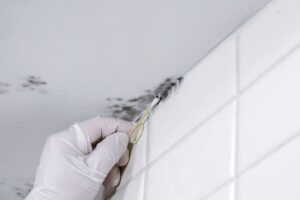
Why Testing for Mold Is Important

Health Risks from Mold Exposure

Mold exposure causes coughing, sneezing, fatigue, and skin irritation in sensitive people. Children and elderly residents suffer worse symptoms from airborne mold spores. The indoor air quality drops when mold grows unchecked in homes.

Mold Hotspots in Virginia Homes

Virginia homes develop mold in basements, crawl spaces, and attics frequently. Moisture meters detect dampness behind bathroom walls and under kitchen sinks. HVAC systems spread mold spores throughout Alexandria homes during humid summers.

Mold Disclosure Laws for Landlords

Virginia landlords must disclose known mold problems to potential tenants. Certified mold inspectors provide legal documentation for real estate transactions. Proper mold contamination identification protects both landlords and tenants legally.

Common Mold Testing Methods Used in Alexandria, VA

Air Sampling to Detect Airborne Spores

Air sampling for mold uses pumps to collect airborne mold spores on special filters. Sampling equipment runs for specific time periods in each room. Laboratory technicians count spores and identify dangerous mold types accurately.

Surface Sampling Using Swabs or Tape

Surface sampling mold test methods collect visible growth using sterile swabs. Tape lifts surface mold spores from walls and ceilings effectively. Labs analyze these samples to confirm mold species identification within days.

Moisture Detection Tools for Hidden Mold

Moisture meter inspection finds wet spots behind walls without damage. These tools detect moisture in building materials before mold grows. Air quality instruments measure humidity levels that encourage mold growth.

Visual and Odor-Based Mold Identification

Visual mold inspection checks walls, ceilings, and floors for discoloration patterns. Musty, earthy smells indicate mold odor detection in hidden areas. Black or green fuzzy patches confirm active mold growth inspection needs.

Step-by-Step Guide on How to Test for Mold

Perform a Thorough Visual and Smell Inspection

Check every room for visible mold spots and musty odors first. Look behind furniture and inside closets where air doesn’t circulate. Document all findings with photos for comparison later.

Prepare Your Home for Accurate Sampling

Close windows and doors 24 hours before mold sampling techniques begin. Turn off fans to prevent mold spores detection errors during testing. Remove clutter from testing areas for better access.

Collect Samples Using DIY or Pro Equipment

DIY mold testing kits include petri dishes and swabs for basic collection. Professional mold testing equipment provides more accurate bulk sample mold testing results. Follow instructions carefully to avoid contamination.

Send Samples to an Accredited Lab for Analysis

Testing labs need samples within 48 hours for accurate laboratory mold analysis. Viable mold sampling shows which spores can still grow and spread. Non-viable mold sampling counts all spores present in samples.

Review Lab Results in Context with Your Home

Mold lab report interpretation requires understanding normal background levels. Environmental health experts help explain mold test results interpretation clearly. Compare indoor counts to outdoor levels for perspective.

Conduct Post-Remediation Testing After Cleanup

Mold remediation testing confirms successful cleanup after professional treatment. New samples verify mold presence confirmation has been eliminated completely. This step protects your investment in remediation services.

DIY Mold Testing Methods for Homeowners

Visual Inspection and Smell Test

Homeowners can spot obvious mold using flashlights and mirrors effectively. Check areas with past water damage or current leaks first. Trust your nose when detecting musty odors.

Bleach Test (for visible spots)

The bleach test lightens mold spots within one minute typically. Apply diluted bleach to suspected areas using cotton swabs. Mold changes color while dirt stays the same.

At-Home Test Kits

Mold test kits cost between $10 and $50 at hardware stores. These kits use petri dishes exposed for 24-48 hours. Some include laboratory mold analysis while others show immediate results.

Professional Mold Testing Services in Alexandria, VA

When to Call a Professional

Call professionals when mold covers areas larger than 10 square feet. Strong odors or health symptoms require professional mold assessment immediately. Hidden mold detection needs specialized equipment homeowners don’t have.

What Professionals Do

Certified mold inspectors use multiple mold inspection tools during comprehensive evaluations. They follow strict mold testing protocols for accurate mold detection accuracy. Professionals provide detailed reports with remediation recommendations.

Cost of Professional Inspection

Mold testing cost ranges from $500 to $1,000 in Alexandria homes. Residential mold testing prices depend on home size and sample numbers. Professional mold testing includes equipment, labor, and lab fees.

DIY Testing vs. Hiring a Professional Mold Inspector

When DIY Mold Kits Are Acceptable

DIY kits work for small visible spots on hard surfaces. Mold detection prevention benefits from regular DIY monitoring checks. Simple surface tests help track cleaning effectiveness over time.

Benefits of Hiring a Certified Mold Inspector

Mold testing certification ensures inspectors follow industry mold testing standards properly. Professionals identify mold exposure risk evaluation more accurately than DIY methods. Their reports meet insurance and legal documentation requirements.

Situations That Require Legal or Real Estate Documentation

Real estate transactions need official home inspection mold test documentation always. Insurance claims require professional mold testing guidelines compliance for coverage. Legal disputes demand certified inspector reports as evidence.

Post-Remediation Clearance Testing Needs

Clearance testing verifies complete mold removal after professional remediation services. Indoor air quality testing confirms safe levels for occupancy again. This testing protects contractors and homeowners from liability issues.

Key Considerations Before Testing for Mold in Your Home

Safety Precautions

Wear gloves, masks, and goggles during any mold inspection activities. Ensure good ventilation when collecting samples or applying test solutions. Never touch mold directly with bare hands.

Professional Independence

Choose independent inspectors not affiliated with remediation companies for unbiased results. This separation prevents conflicts of interest in testing recommendations. Independent testing provides honest building material mold test results.

Hidden Mold Detection

Hidden mold requires thermal cameras and moisture detection tools typically. Professional equipment finds problems DIY methods can’t detect reliably. Mold moisture measurement prevents future growth behind walls effectively.

Conclusion

Mold testing protects your family’s health and your home’s value significantly. Visual inspections catch obvious problems while professional testing finds hidden dangers. Each method serves different purposes in comprehensive mold management. We are the trusted Air Duct cleaning Company serving Alexandria for 20+ years. Our certified inspectors use advanced equipment for accurate mold detection. We provide independent testing separate from remediation services always. Contact AirDuctVet Dryer & Vent Cleaning Services today for professional mold testing. We offer comprehensive inspections that protect your family’s health completely. Schedule your mold assessment now to breathe easier tomorrow.  

1 thought on “How to Test for Mold in a House?”

  1. Great question—testing for mold in a house starts with a visual inspection and identifying musty odors, but accurate detection often requires professional mold testing. This can include air sampling, surface tests, or moisture measurements, all of which help determine if mold remediation is needed and guide effective cleanup.

Comments are closed.

Scroll to Top